Most people assume luxury clothing commands a higher price purely because of branding. While that certainly plays a role, it’s not always the whole story. There are often subtle differences in construction and craftsmanship that many shoppers never notice. This is why two garments can look almost identical at first glance, yet one costs three times as much as the other. In addition to the type of material used, the difference is often hidden in the stitching, finishing, and attention to detail.
After spending time with sewing, I started to notice details I usually ignored.
Seam Finishing
Fast fashion often might leave raw edges inside the garment, use overlocking on seam or simpler seam construction to reduce manufacturing cost and time
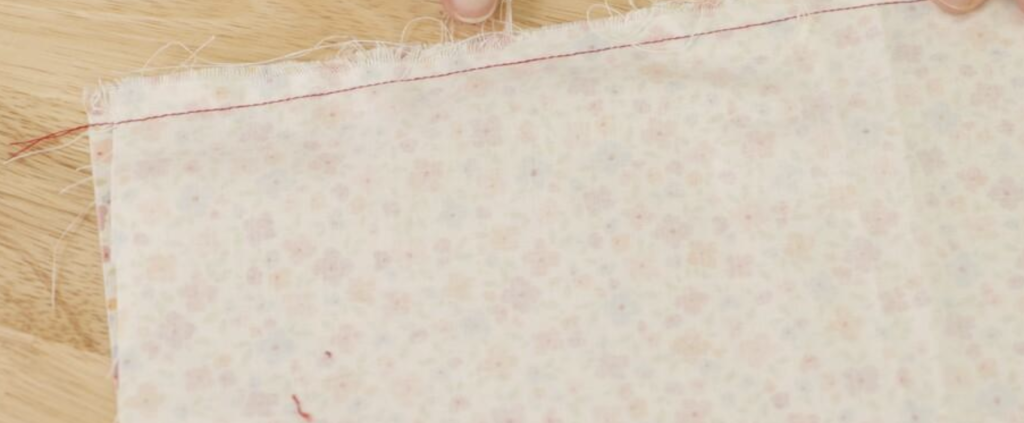
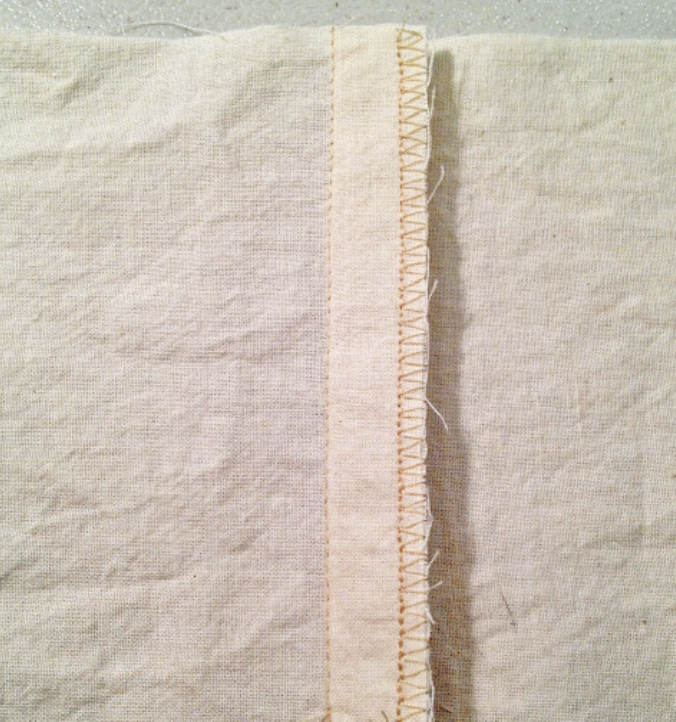
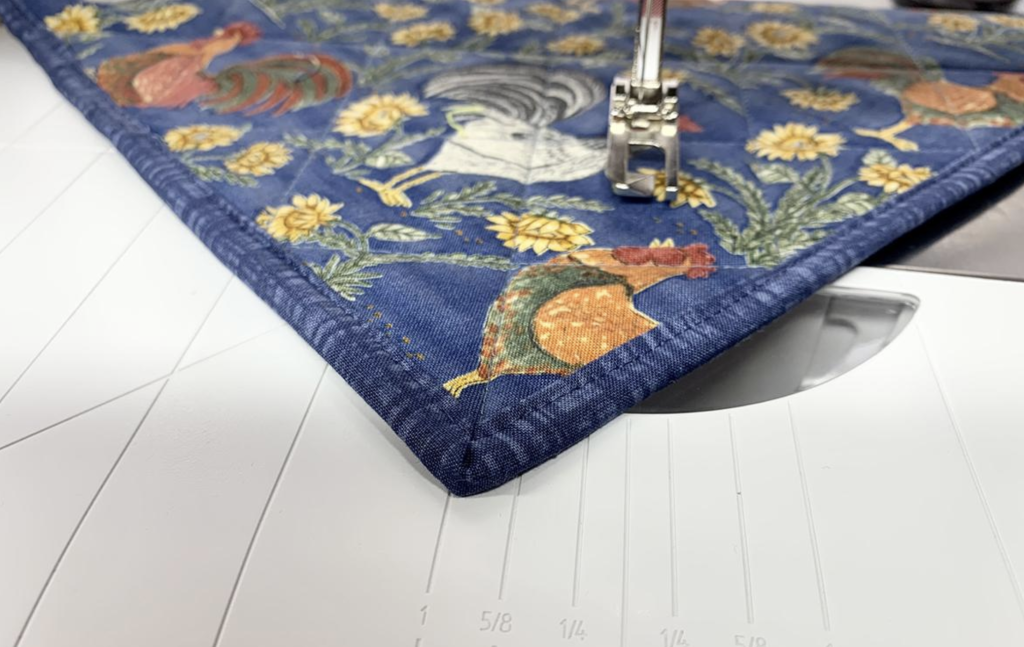
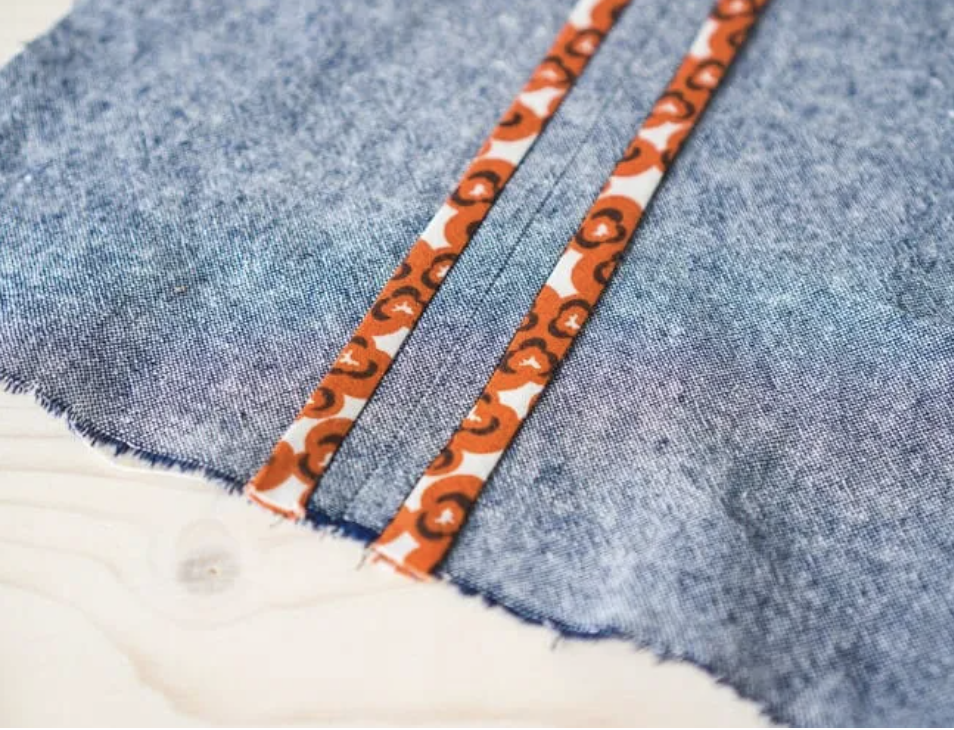
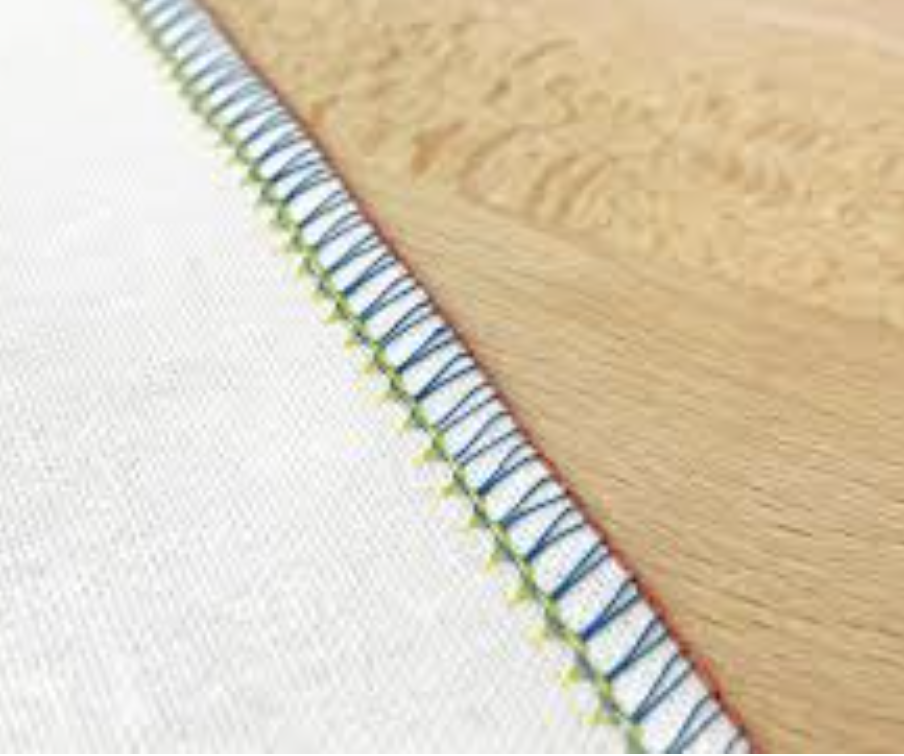
Luxury brands are more likely to use labour intensive seam finishes such as French Seam, Bound Seams, Hong Kong finishes or Clean overlock
Stitch Density
Fast fashion garments often use longer stitch lengths to speed up production, which can result in seams that are less durable and more prone to coming apart under stress. Whereas luxury garments usually have more stitches per inch, more consistent spacing and straighter seam lines. When producing thousands of garments, fast-fashion brands can save significant production costs by shaving just a few seconds off the time needed to sew each seam.
Fabric Quality
Garments for fast-fashion brands are typically produced in large garment factories. To manufacture these garments, brands must place bulk orders for fabrics and materials, as suppliers often require minimum order quantities. As a result, a single garment style may need to be produced in very large quantities, with no guarantee that all units will sell.
Because of this, fast-fashion brands must closely monitor their production costs and work within strict budgets. This often means they cannot always choose the highest-quality fabrics. Instead, they look for materials that are relatively affordable while still meeting their quality and design requirements.
Another consideration is ease of production. Some high-quality fabrics require more care, specialised handling, or additional sewing time, which increases manufacturing costs. Fast-fashion brands therefore need to balance fabric quality, production speed, and cost efficiency when making sourcing decisions.
As a result, the fabrics used in fast-fashion garments are often of lower quality than those found in luxury fashion, where brands typically prioritize craftsmanship, material quality, and longevity over production speed and cost.
Luxury fashion brands operate under a very different set of priorities. Rather than focusing primarily on minimising production costs and maximising volume, luxury brands place a greater emphasis on quality, craftsmanship, and exclusivity. Because they produce smaller quantities, they have more flexibility in sourcing premium fabrics and materials.
Luxury brands often select fabrics based on their feel, appearance, durability, and performance rather than solely on cost. Many of these fabrics require specialized handling, careful cutting, and time-consuming sewing techniques. While this increases production costs, it allows the garment to achieve a higher level of quality and refinement.
In addition to superior materials, luxury garments often feature construction details that are rarely found in mass produced clothing, such as French seams, bound seams, Hong Kong finishes, hand stitching, and meticulous pressing. These techniques require skilled labor and additional production time but contribute to the garment’s durability, comfort, and overall appearance.
As a result, a significant portion of the price of a luxury garment reflects not only the brand name but also the quality of the materials, the craftsmanship involved, and the time invested in its construction.
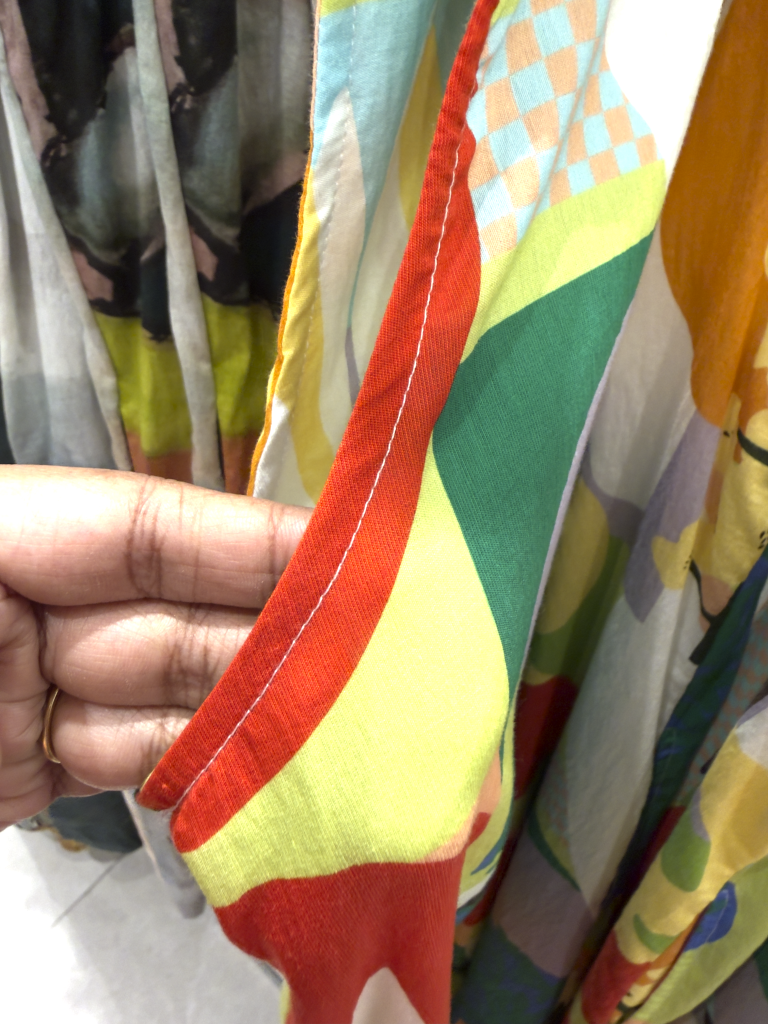
Some Good quality Stitches
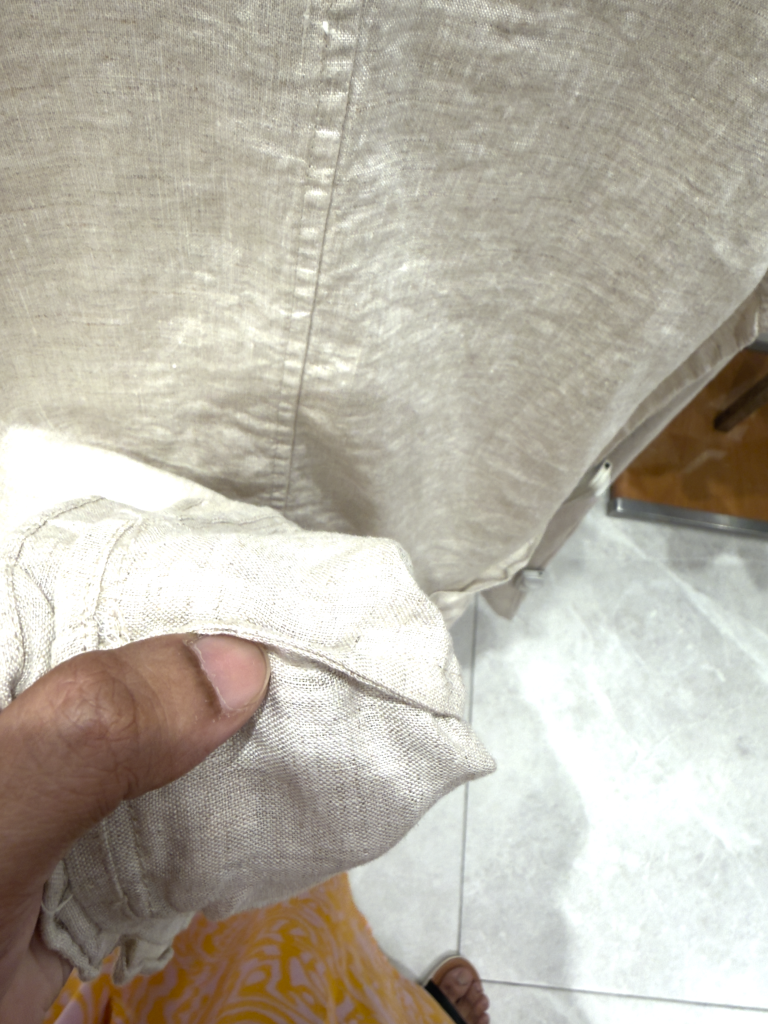
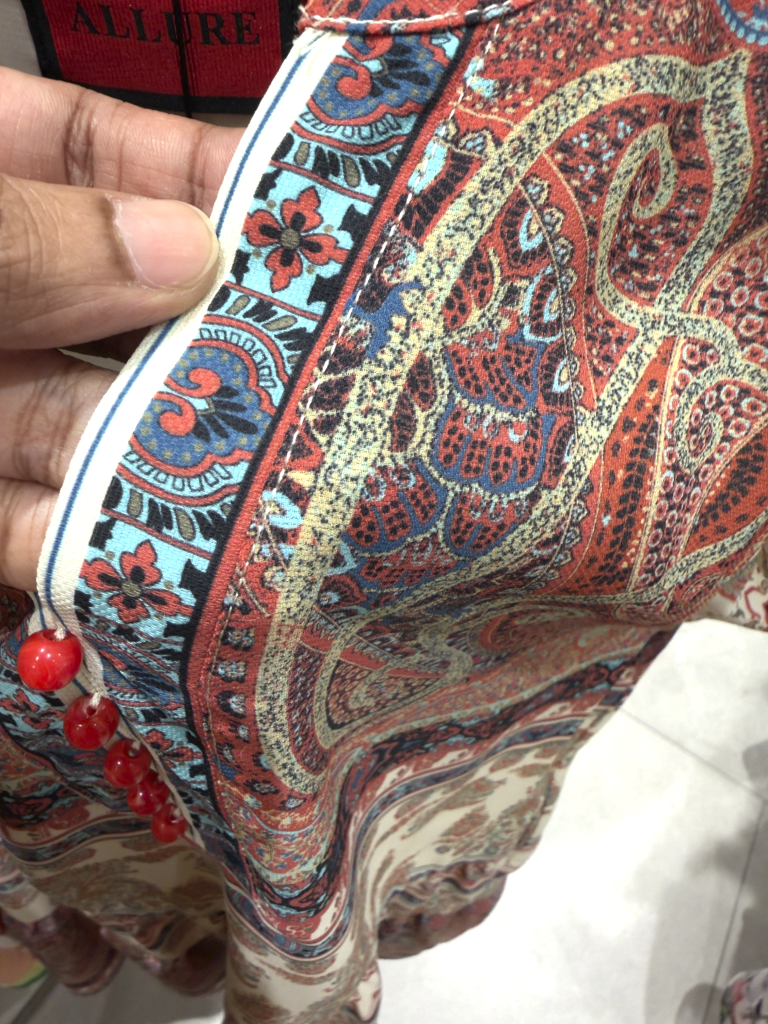
Here are some close up photos of stitching from garments I found in mid-range stores (around $150–$300). While they may not have the highly specialised seam finishes often seen in luxury garments, they still demonstrate good construction quality. The seams and hems are neatly finished, the stitching is clean and consistent, and there is clear attention to detail in the overall workmanship.
What I learned
These are just a few of the differences I started noticing after learning to sew. There are many other factors that influence a garment’s quality and price, and there are always exceptions. The next time you pick up a piece of clothing, take a moment to look inside. You might be surprised by how much the construction of a garment can reveal about the time, skill, and care that went into making it.
Like, share and comment if you like articles like this. See you in another article!
Leave a Reply